Weijun Li
I am a third-year Ph.D. student in Informatics at 🐜 UC Irvine, advised by Daniel Epstein in the 🥧 PIE Lab.
My research sits at the intersection of human-centered AI, health, and social computing. I build and study interactive systems that help people make sense of information about themselves, their health, and their everyday lives. I examine how these systems should interpret, present, and communicate personal information to support understanding, reflection, and decision making. I combine qualitative research, interactive system design, and real-world deployment.
My work appears at CHI, CSCW, UIST, and AMIA. Before Irvine I did my master's at Zhejiang University with Prof. Lingyun Sun and Prof. Shi Chen. Earlier, I competed in algorithm contests and worked as a full-stack developer during my undergraduate studies.
Outside research I am usually 🚴♀️🌸 out on my bike, or at home with my favourite cat Bubbles and my favourite people. Always happy to chat about research or bikes.
News
See you in Detroit for UIST 2026 🎉
Genetic health survey accepted to AMIA 2026 🧬
Behind the Same Mask is out at CSCW 2025 🎭
CHI 2025 in Yokohama, at the CFP workshop 🇯🇵
Moved to Irvine and started the Ph.D. 🌴
See More
Two co-authored CHI papers accepted 🎉
Presented at CSCW 2023 in Minneapolis 📄
Presented a poster at IDC 2023 in Chicago 🏙️
Visited Notre Dame to work with Toby 👩💻
My CSCW paper on virtual intimacy got in 💌
Working on now
- How GLP-1 medications reshape people's relationship with food
- What makes personal data personal?
Publications

Supporting The Many Lives of Personal Data with Rebite: LLM-Powered Goal-Directed Framing in Food Journaling
Weijun Li, Daniel A. Epstein
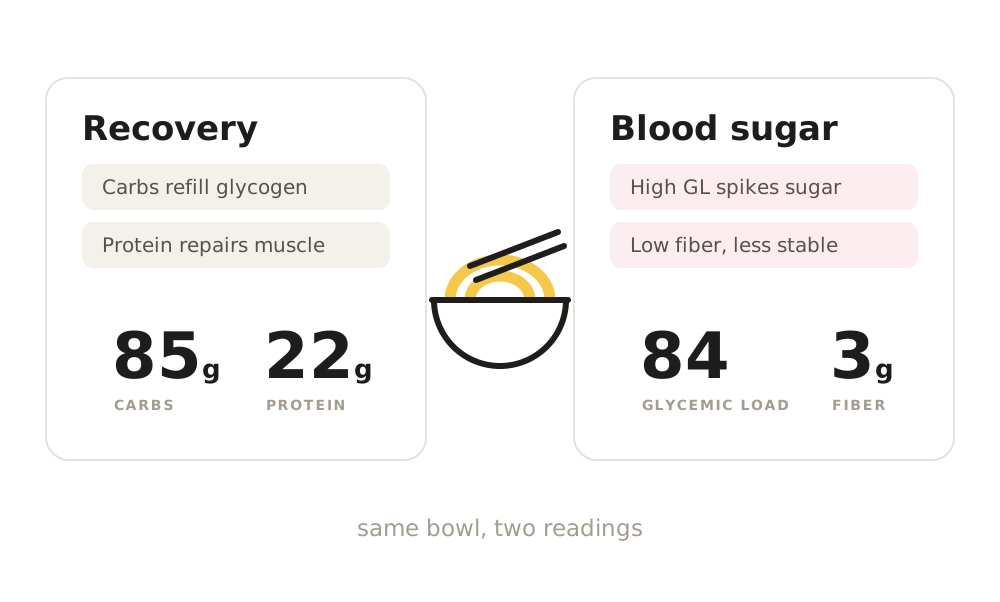
UIST 2026 People's health goals keep changing, but most tracking tools lock the meaning of data in at the moment it is logged, so a goal adopted later has nothing useful to work with. We propose goal-directed framing, which keeps meal records unstructured and lets a large language model interpret them through whatever goal is current. In a one-week deployment with 21 participants, reframing past meals under a new goal exposed overlaps and conflicts between goals and pushed people to renegotiate what they actually cared about.
Family Context, Reproductive Experiences, and Digital Engagement in Relation to Women's Genetic Health Knowledge, Perceptions, and Communication
Ziqi Yang, Weijun Li, Di Hu, Daniel A. Epstein, Yunan Chen
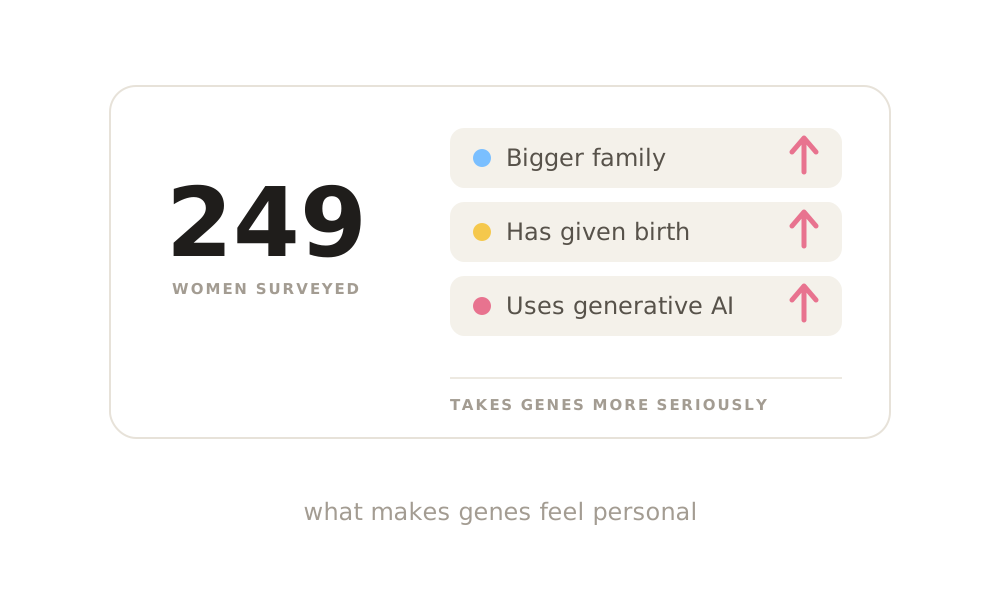
AMIA 2026 A survey of 249 women in the United States on what makes genetic health feel personal. A bigger family network, having given birth, and broader technology use, including generative AI, each went with taking genes more seriously.
Behind the Same Mask: Understanding the Practice of Spontaneous Collective Anonymity on Chinese Social Platforms
Suqi Lou, Weijun Li, Chao Zhang, Shi Chen, Zhicong Lu, Yaxing Yao
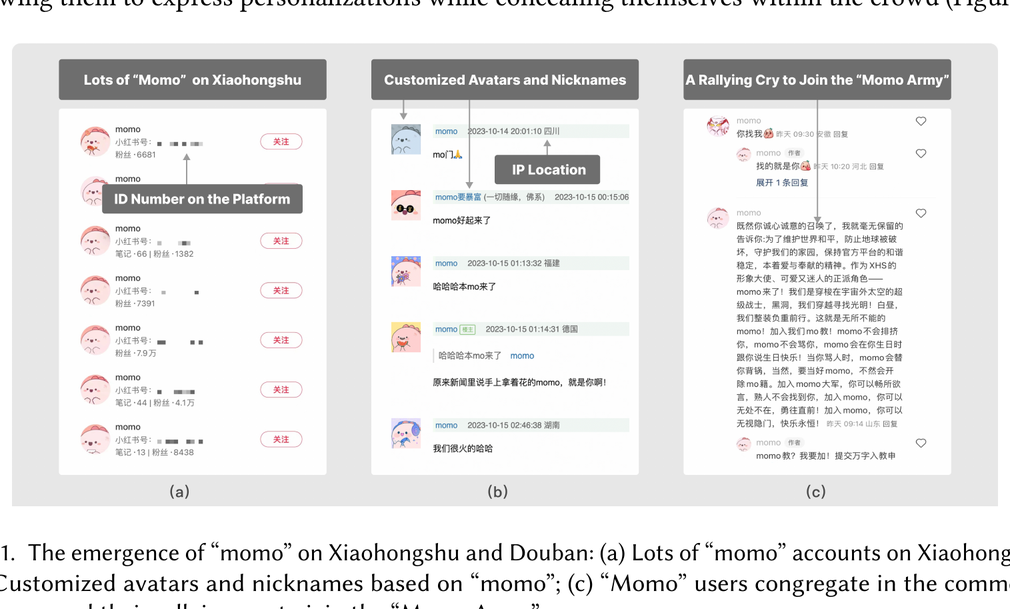
CSCW 2025 On Chinese platforms where real-name policies make hiding hard, thousands of users have quietly adopted the same avatar and the same nickname, "momo". We interviewed 20 of them. Sharing one identity gave people a second layer of anonymity, room to speak in discussions they would otherwise skip, and, unexpectedly, a sense of belonging to a crowd they had never met.

An Empathy-Based Sandbox Approach to Bridge Attitudes, Goals, Knowledge, and Behaviors in the Privacy Paradox
Chaoran Chen, Weijun Li, Wenxin Song, Yanfang Ye, Yaxing Yao, Toby Jia-jun Li
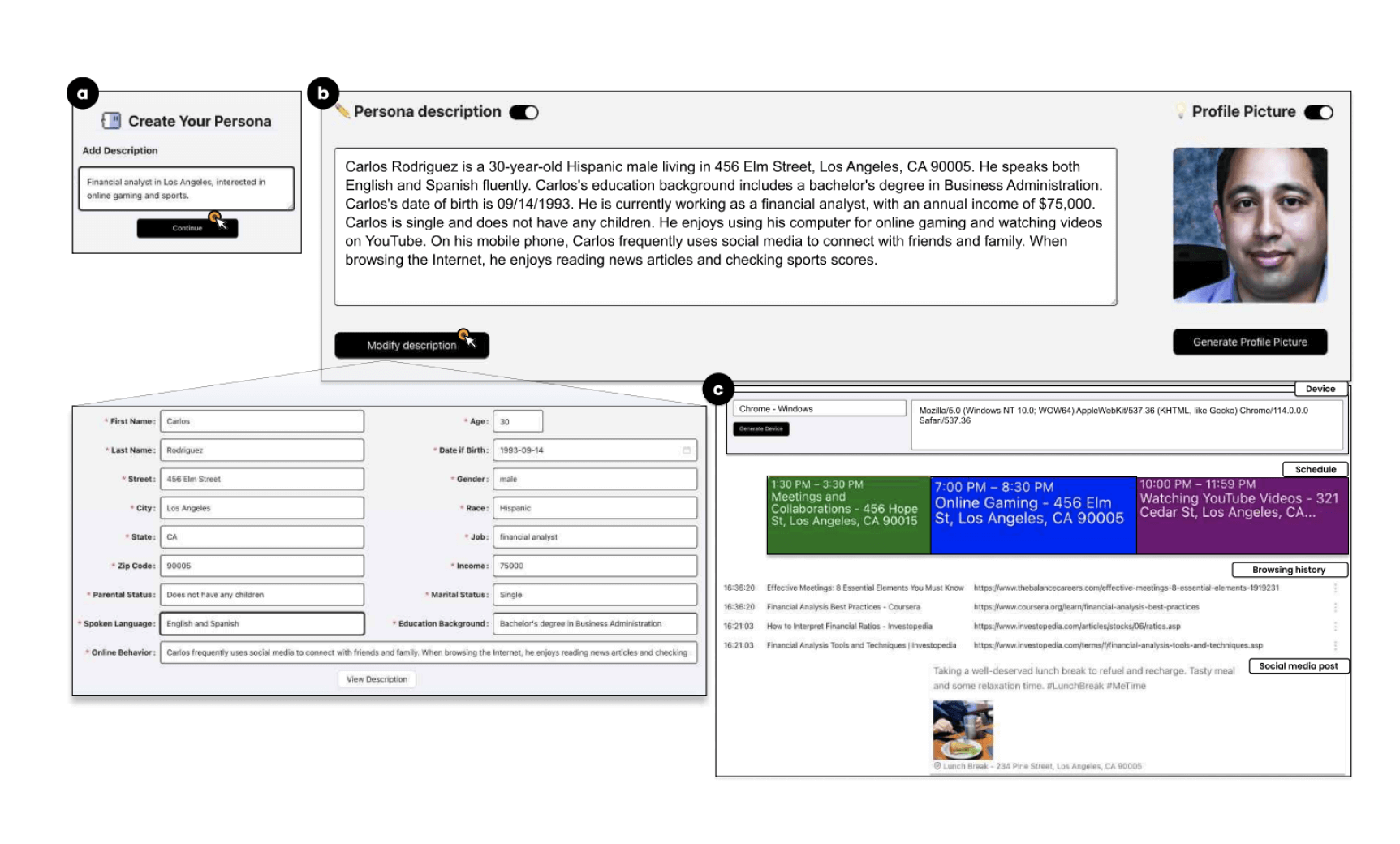
CHI 2024 We introduce an empathy-based approach that allows users to experience how privacy behaviors may alter system outcomes in a risk-free sandbox environment from the perspective of artificially generated personas. To generate realistic personas, we introduce a novel pipeline that augments the outputs of large language models using few-shot learning, contextualization, and chain of thoughts.
Practices and Challenges of Delivering Among Deaf or Hard of Hearing Couriers
Shi Chen, Xiaodong Wang, Weijun Li, Jiangao Zhang, Yuge Qi, Jiaqi Teng, Zhihan Zeng
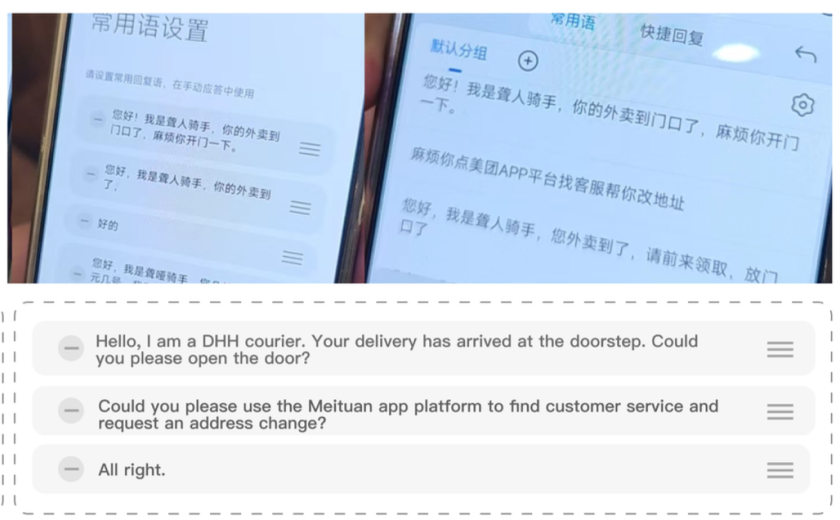
CHI 2024 This paper explores the experiences of Deaf and Hard of Hearing (DHH) food delivery workers in China. We focus on their motivations, like better pay and community belonging, and their use of delivery platform tools, such as AI voice calls, for communication. Despite technological aids, human intervention remains important. We identify challenges such as safety risks, multitasking complexities, and mistrust in AI voice calls. Our findings offer insights for designing inclusive delivery platforms and broader implications for employment opportunities for DHH individuals, particularly in developing countries.
What makes virtual intimacy...intimate? Understanding the Phenomenon and Practice of Computer-Mediated Paid Companionship
Weijun Li, Shi Chen, Lingyun Sun, Changyuan Yang
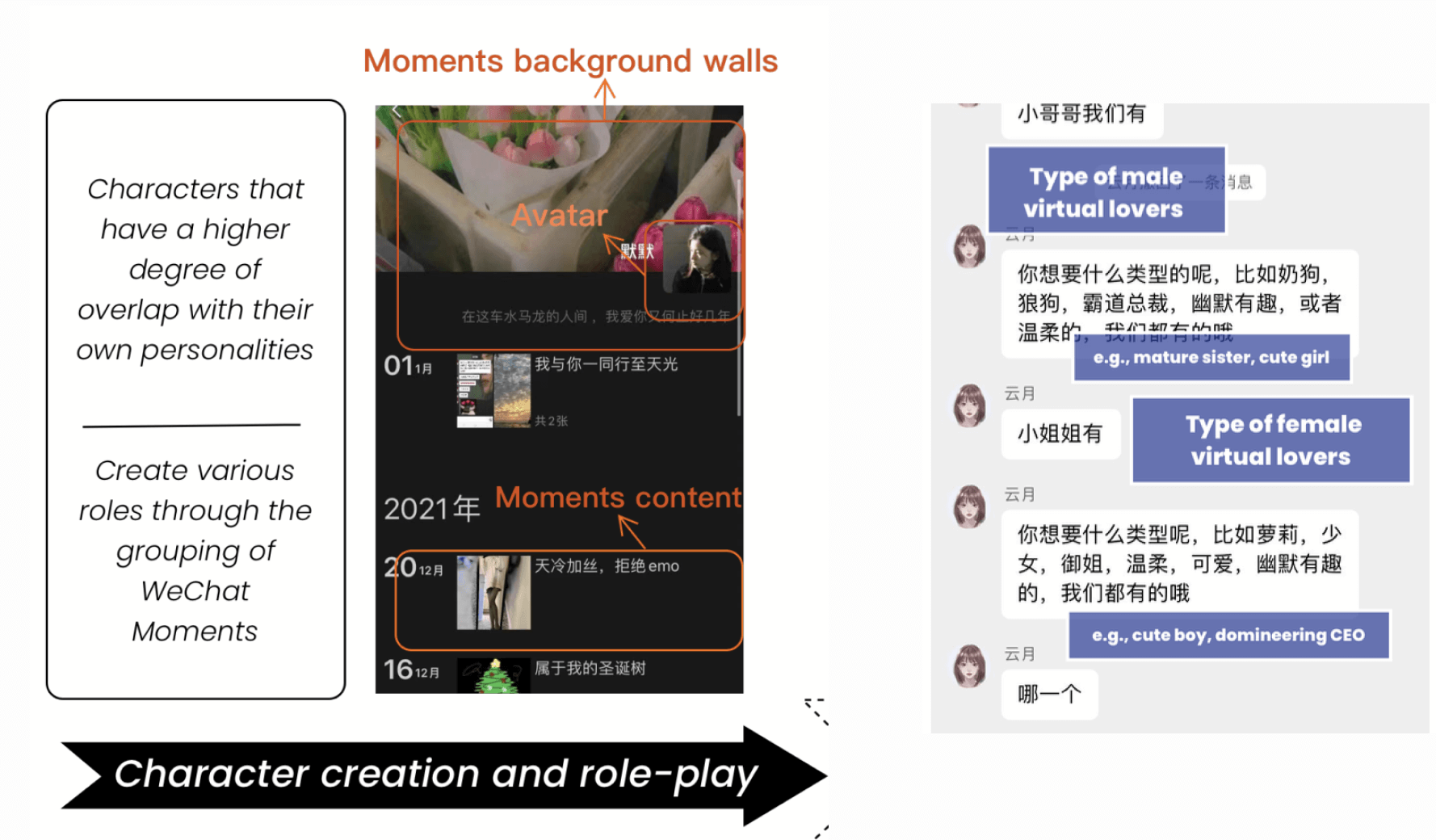
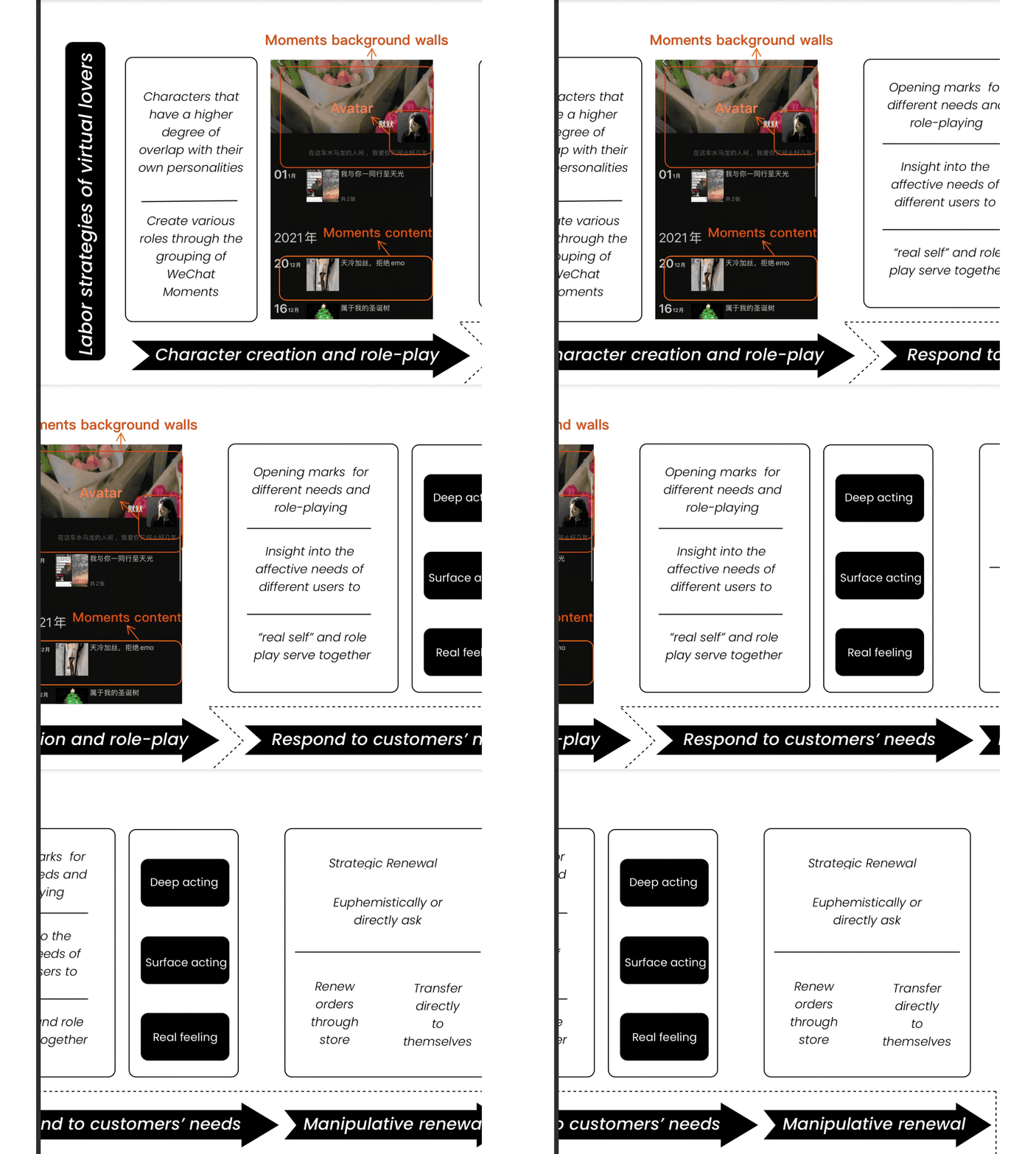
CSCW 2023 In China, Virtual romance service (VRS) provides a direct dyadic intimacy, different from fan-idol parasocial ties. Our study of 178 surveys and 22 interviews revealed virtual lovers' strategies to meet customers' emotional needs. Customers value VRS for its emotional benefits without the need for long-term commitment. We conclude with insights into the unique nature of virtual lovers and design implications for digital companionship.
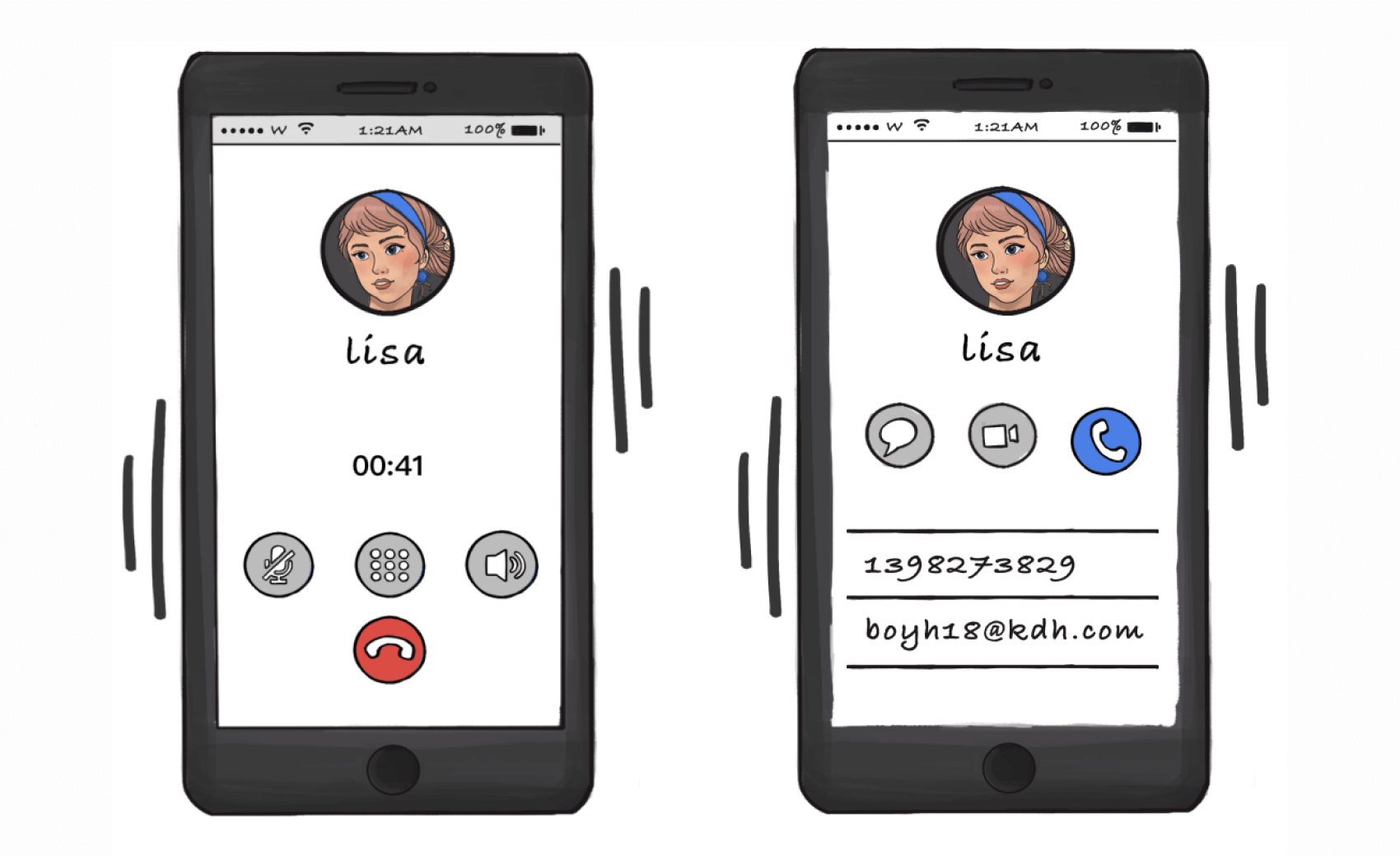
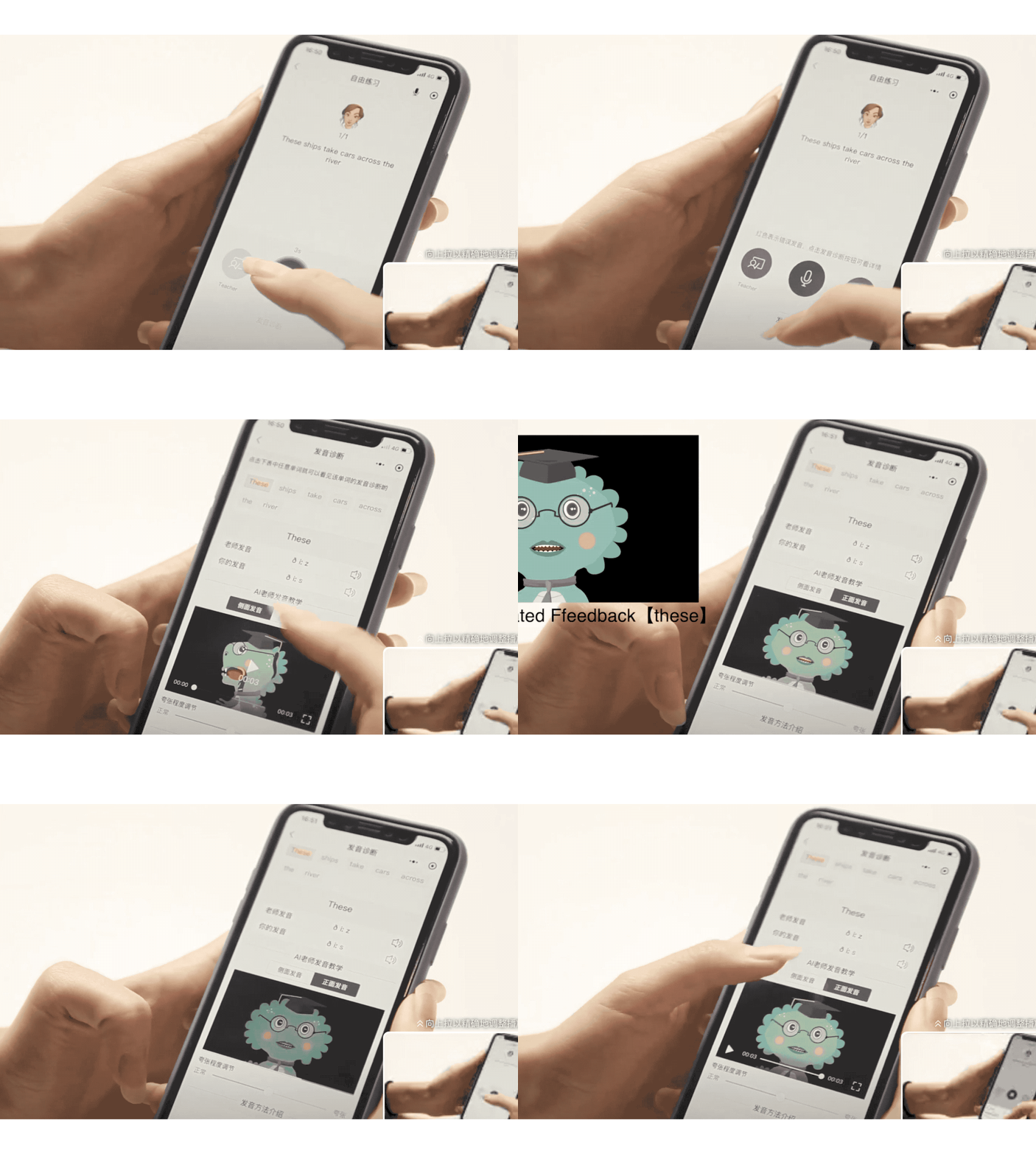
PTeacher, a Computer-Aided Personalized Pronunciation Training System with Exaggerated Audio-Visual Corrective Feedback
Yaohua Bu*, Tianyi Ma*, Weijun Li, Hang Zhou, Jia Jia, Kaiyuan Xu, Dachuan Shi, Haozhe Wu, Zhihan Yang, Kun Li, Zhiyong Wu, Yuanchun Shi, Xiaobo Lu, Ziwei Liu
CHI 2021 L2 English learners find it difficult to improve pronunciation due to lack of personalized feedback. This paper presents Pronunciation Teacher (PTeacher), a CAPT system offering personalized exaggerated audio-visual feedback. Interviewing 100 L2 learners and 22 native teachers, we propose three metrics to determine exaggeration levels in both modalities. We incorporate dynamic feedback based on learner proficiency. User studies indicate our system improves learning efficiency.
Lightly reviewed publications
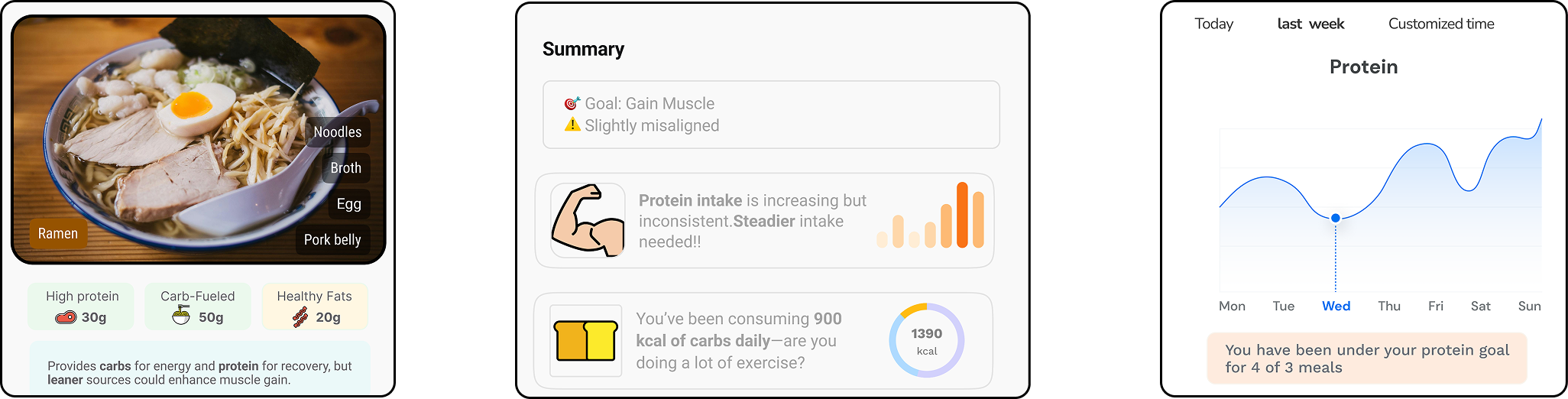
Enhancing Food Tracking Practice with LLMs: Towards Goal-Oriented Reflection
Weijun Li, Daniel A. Epstein
CHI 2025 Workshop An early sketch of the idea that grew into Rebite. We asked what a food journal would look like if the goal, rather than the calorie count, decided what a meal record means.
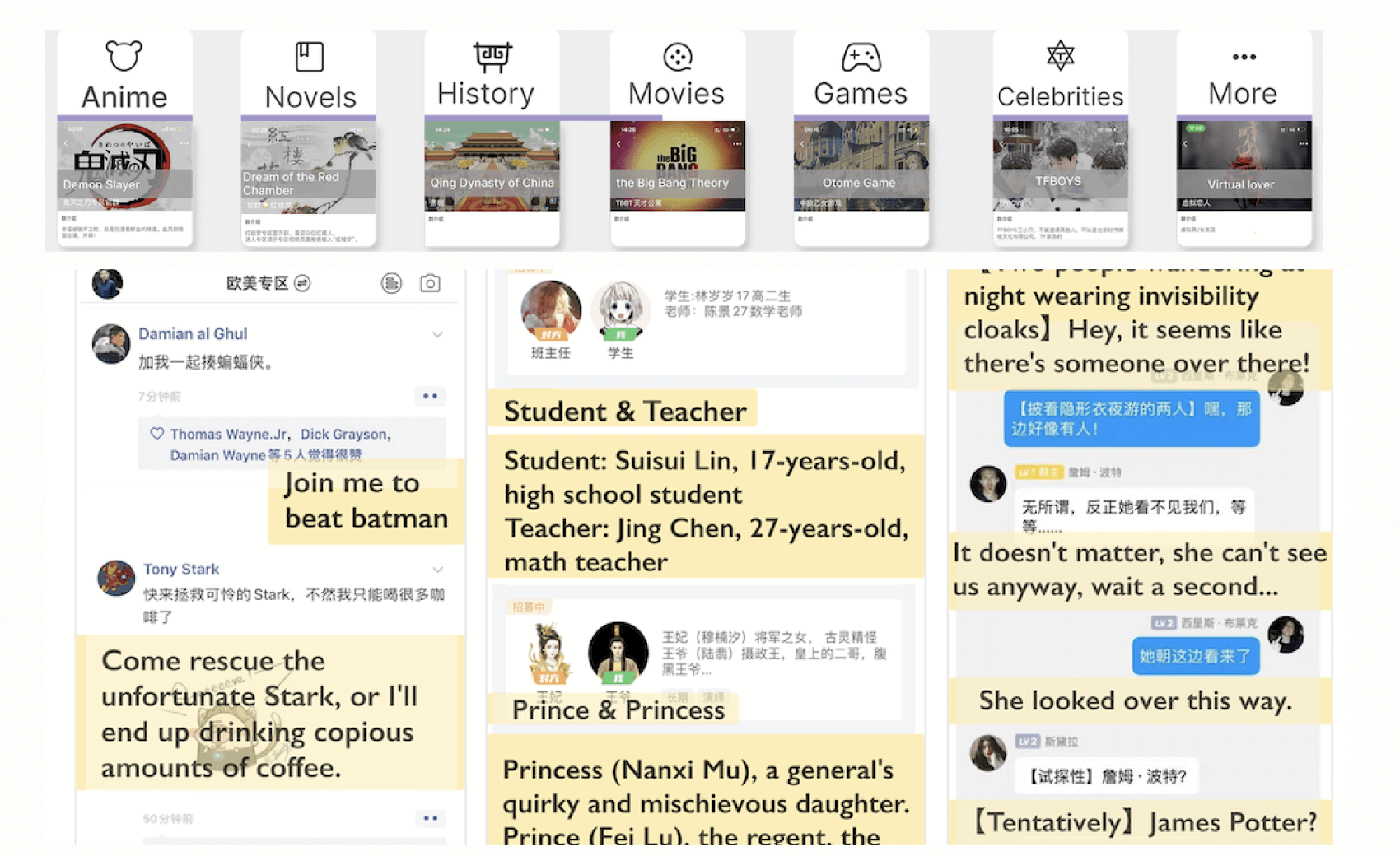
I Never Envy Anyone, for I Have Already Built a Kingdom With My Fingertips, Exploring Teenagers' Experience in Chat-based Cosplay Community
Weijun Li, Yaohua Bu, Suqi Lou, Shi Chen, Lingyun Sun, Changyuan Yang
IDC 23 This paper examines teenagers' chat-based cosplay in China. We found four primary motivations and their main practice. Adolescents perceived character presentation as key and devoted significant effort to refine their characters for higher consistency. We spotlight the interplay between social relationships and story creation, and also note both positive and negative experiences within the community.
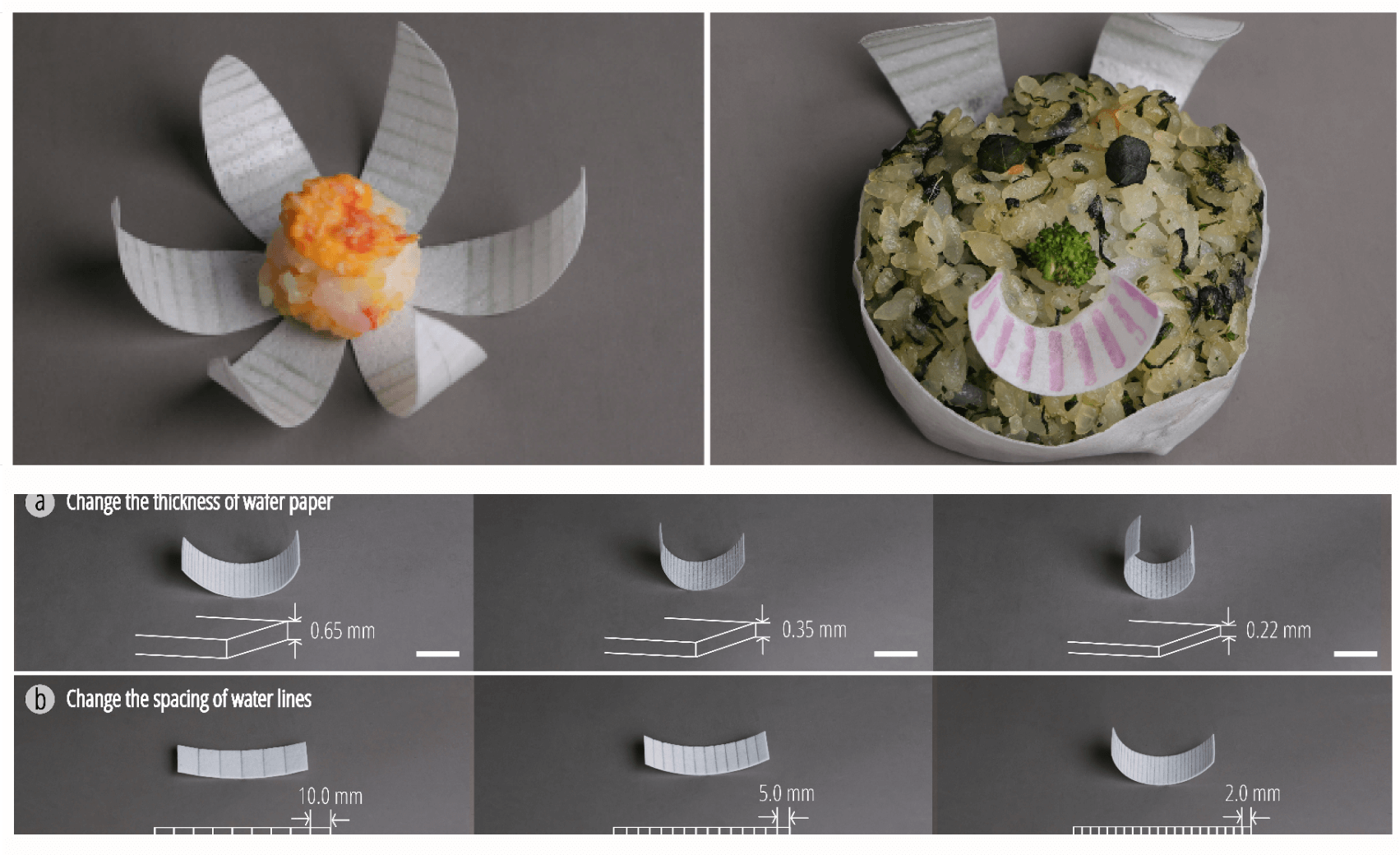
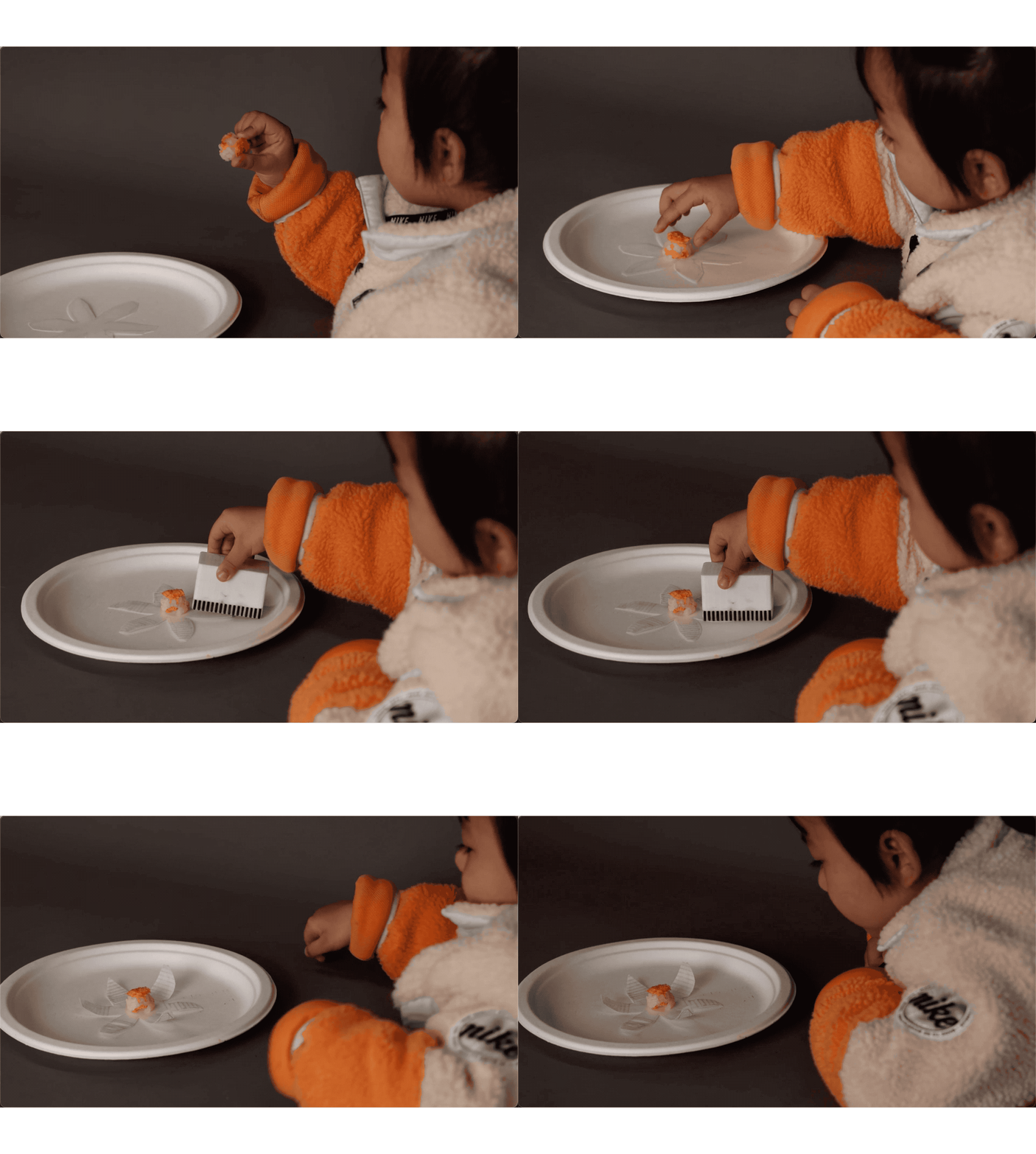
EdibleToy: Empowering Children to Create Their Own Meals with a DIY Wafer Paper Kit
Yilin Shao, Boyu Feng, Yingpin Chen, Yue Yang, Weijun Li, Yifan Yan, Yanan Wang, Ye Tao, Lingyun Sun, Guanyun Wang
IDC 23 Drawing inspiration from shape-changing food research, we propose an approach that combines deformable wafer paper for food preparation. We summarize the principles of wafer paper controllable deformation and develop a toolkit to facilitate its use. We support children in creating personalized, transformable food items using this method.
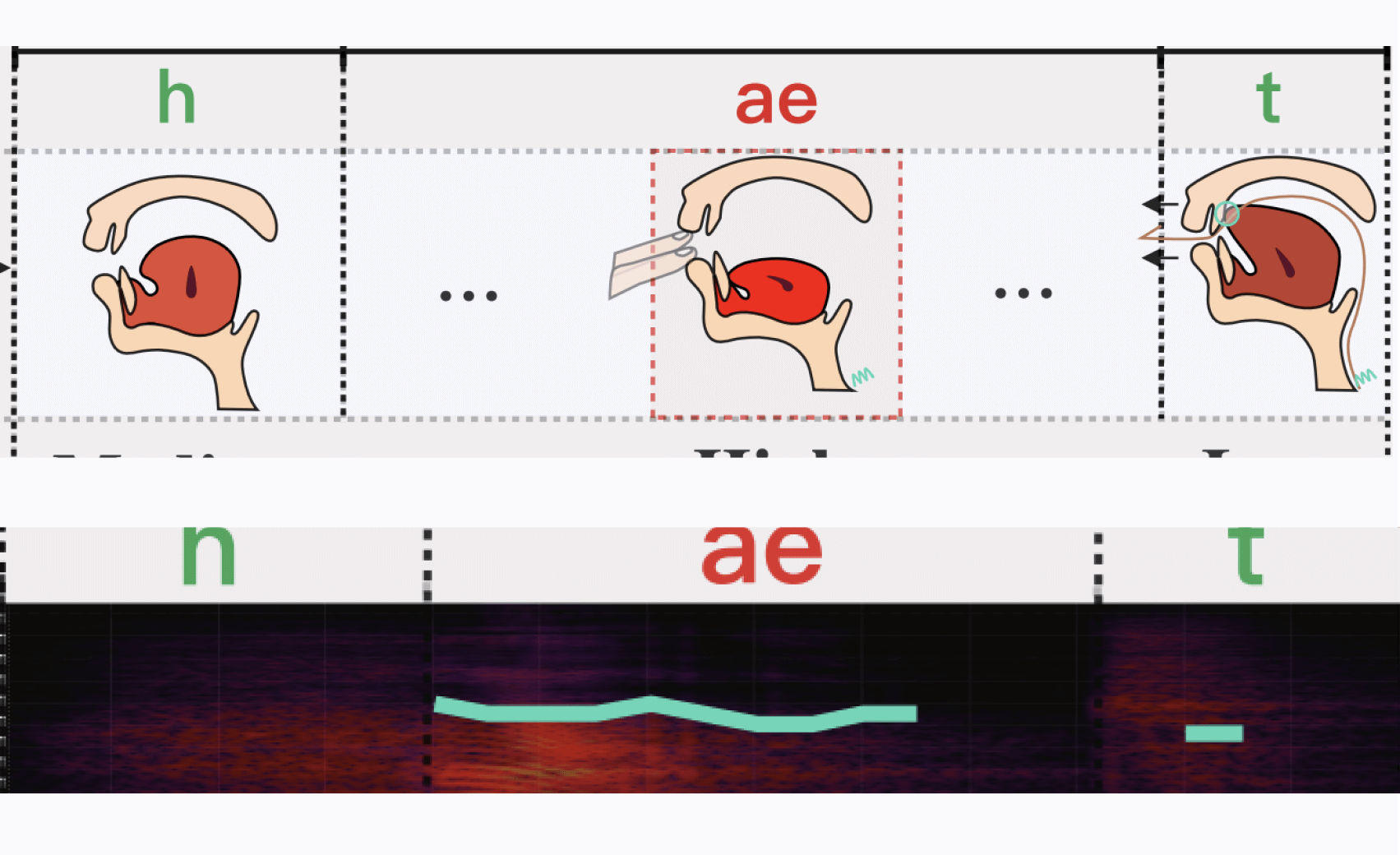
Visual-speech Synthesis of Exaggerated Corrective Feedback
Yaohua Bu*, Weijun Li*, Tianyi Ma, Shengqi Chen, Jia Jia, Kun Li, Xiaobo Lu
MM 2020 We propose a method for exaggerated visual-speech feedback in CAPT. The speech exaggeration is realized by an emphatic speech generation neural network based on Tacotron, while the visual exaggeration is accomplished by ADC Viseme Blending, namely increasing Amplitude of movement, extending the phone's Duration and enhancing the color Contrast.
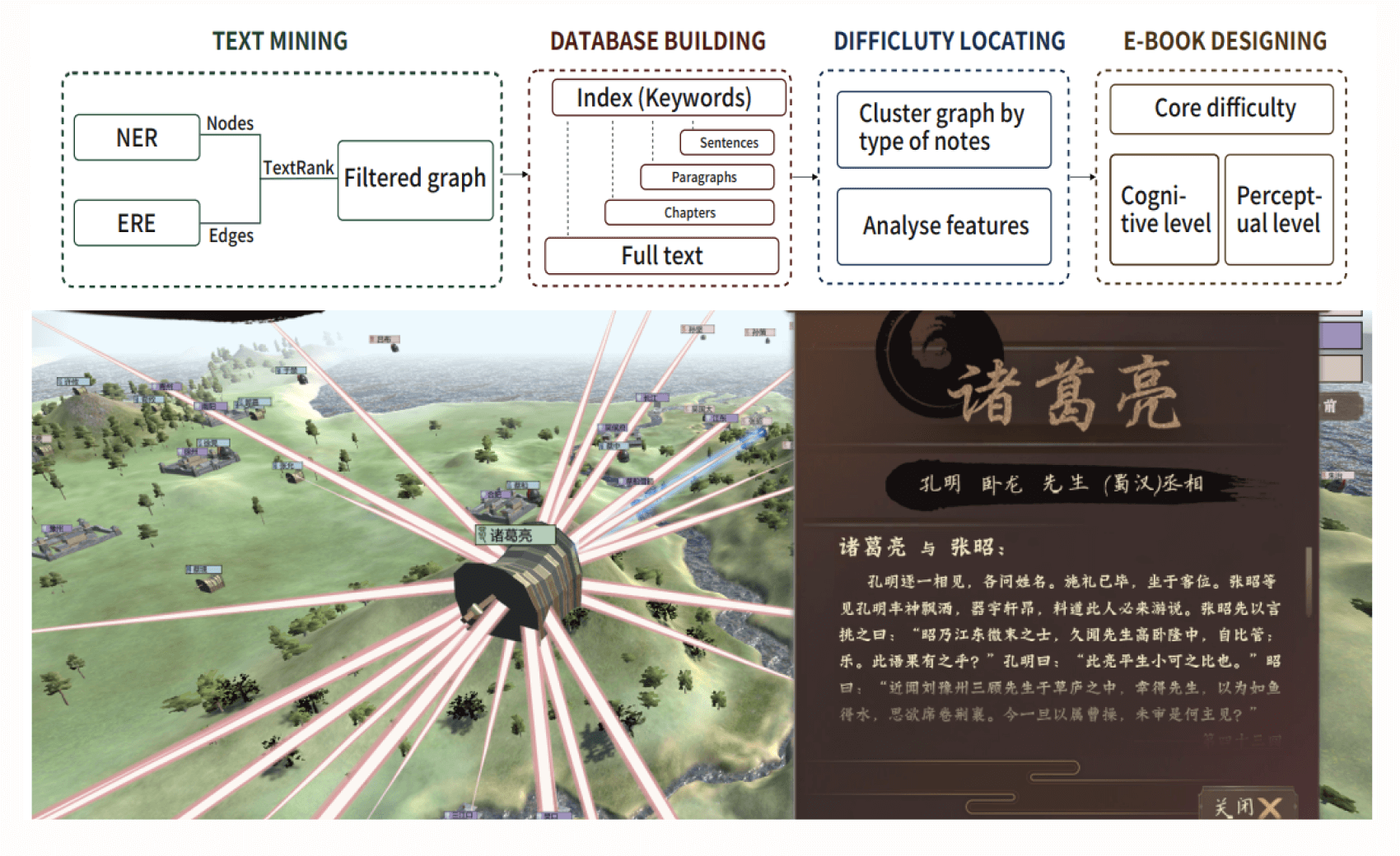
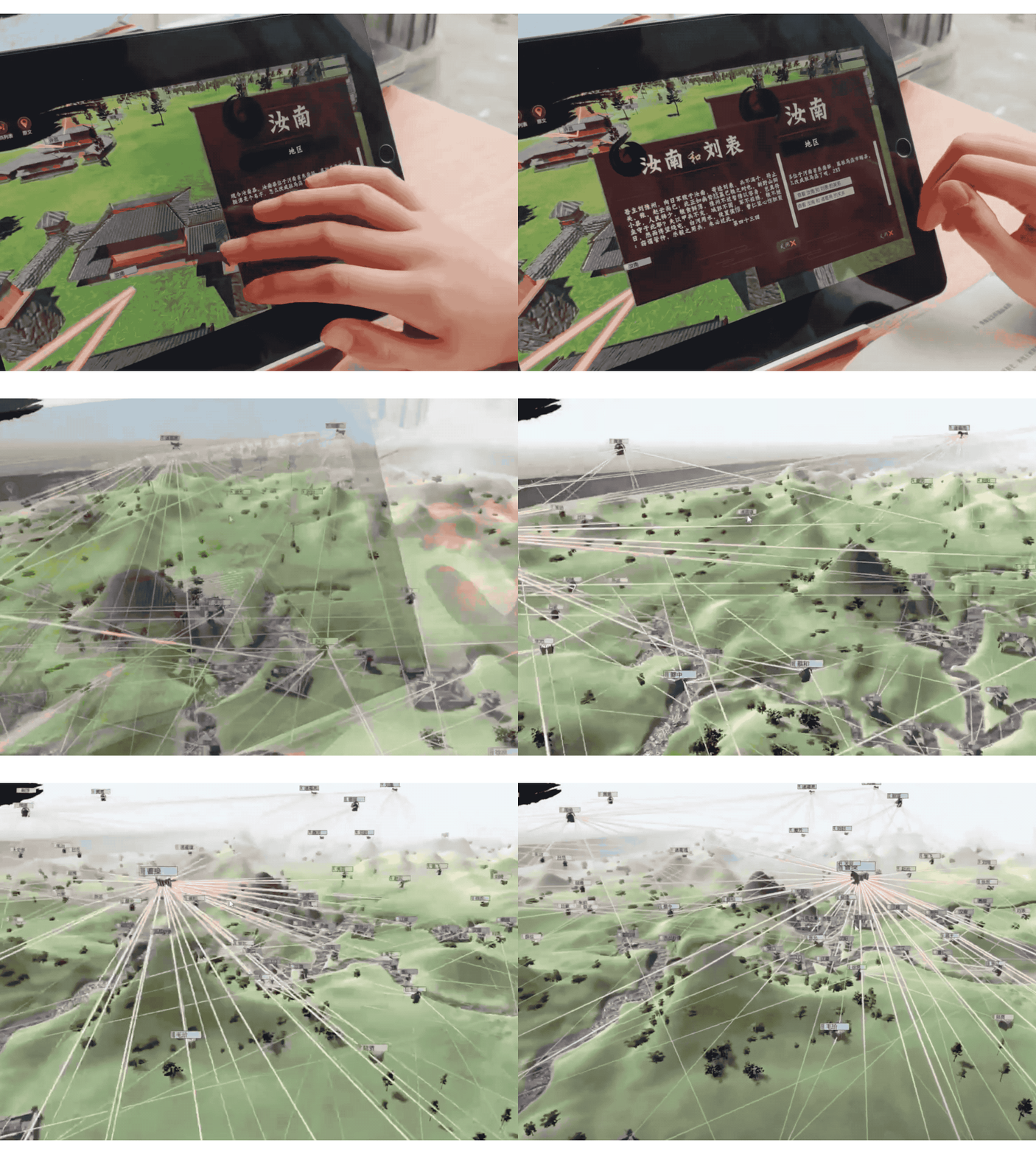
An Integrated Method to Build Read-Aiding E-Books Based on Text Mining and Interactive Aesthetics
Weijun Li, Fukai Yang, Ruibing Jia, Renmin Li, Minghao Yin
JCDL 2020 We propose a four-stage method to build read-aiding e-books directly from text, integrating the technologies in text mining and the ideas in interactive aesthetics. By applying this method, we manage to identify and present multiple complex relationships in the classical Chinese novel Romance of the Three Kingdoms, providing readers with vivid scenes and rich interactions for better comprehension.
Nothing in this area yet.